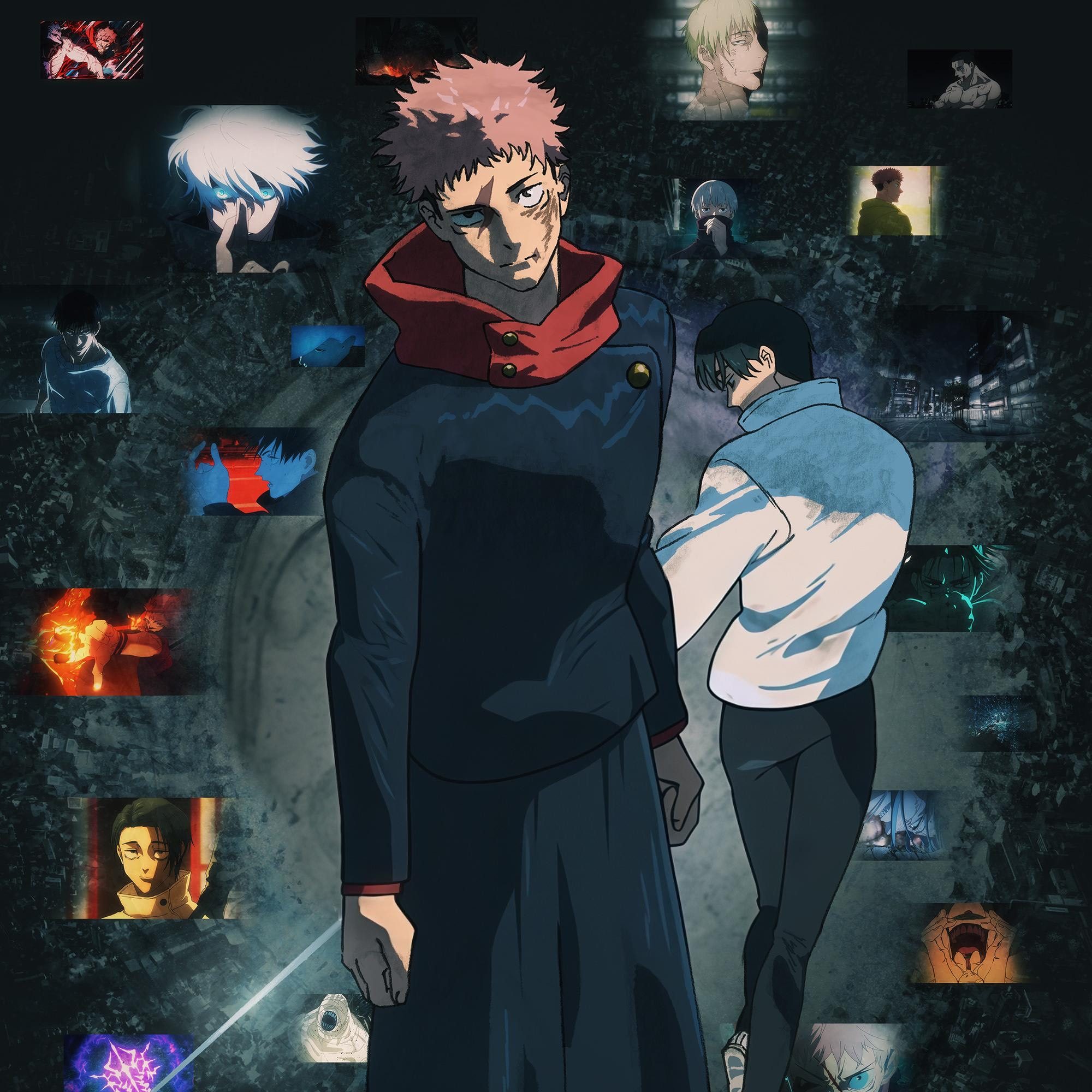
Most shonen are built on delay.
The protagonist begins behind the curve with naivety, impulsiveness, and competence treated as something to be earned slowly, often through repetition and forgiveness. Failure is temporary. Death is rare. Consequences are reversible. Growth is postponed to preserve momentum. But Jujutsu Kaisen’s 3rd season rejects that entire highly traditional (and oversaturated) genre framework.
By this point in the series, the story no longer asks whether its main characters are ready. It instead assumes they must be because the world will not wait for them to catch up. The result is a season defined not by aspiration, but by competence under pressure and by a darkness that is not aesthetic but structural. Yuji Itadori is not written as an idiot savant or an endlessly optimistic vessel. He is capable, observant, and painfully aware of the cost of action and inaction alike. When he hesitates, people die. When he succeeds, the damage remains. The series does not reset the board to protect his innocence, nor does it cushion him with destiny. His power is not a promise but a liability, and one the narrative refuses to romanticize.
This alone separates Jujutsu Kaisen from most of its contemporaries.
Season 3 sharpens this distinction by stripping away the safety nets common to the genre. Authority figures are compromised or absent. Mentorship is unreliable. Knowledge does not guarantee survival. Characters make correct decisions and still lose. Strength does not equal control and growth does not arrive in time to save everyone.
The darkness of Jujutsu Kaisen is not defined by gore or shock, but by finality. When violence happens, it concludes arcs rather than escalating them. When characters fall, the story moves forward without pause or tribute. Grief exists, but it does not slow the machinery of the world. This is a universe governed by entropy and not narrative mercy. What truly elevates Season 3 above the current shonen field is its refusal to flatter the viewer, as it does not frame suffering as inspirational or pretend that moral clarity is rewarded. Instead, it treats conflict as systemic and survival as conditional.
In this environment, competence becomes the true differentiator. Not raw strength but awareness and preparation and emotional restraint. The ability to act decisively while knowing the outcome may still be catastrophic. Jujutsu Kaisen understands that maturity in storytelling is not about making character stronger…it’s about making them responsible. And during a time when shonen remains invested in reassurance, Season 3 commits fully to consequence. It trusts its audience to endure unresolved tension, moral ambiguity, and loss without reward. That trust, and the discipline behind it, is what makes it the most compelling shonen on television right now.
Not because it’s darker, but because it’s honest about what darkness actually costs.
 The Vacancy
Leave a comment